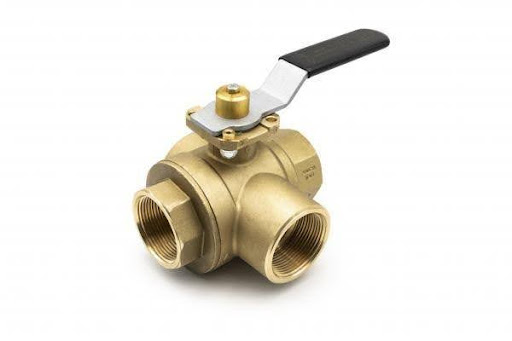
Expert guidance on ball valve maintenance procedures, inspection practices and maintenance-free solutions
Ball valves are essential components in plumbing and industrial systems, valued for their reliability and durability. While proper ball valve maintenance ensures optimal performance and longevity, not all valves require the same level of attention. RuB Inc. specializes in manufacturing high-quality brass ball valves designed with a unique two-piece construction that minimizes maintenance needs. In this article, we'll explore essential ball valve maintenance procedures and ball valve inspection practices, while highlighting how RuB valves stand out for their maintenance-free design. Whether you're managing a residential or commercial system, understanding these maintenance principles will help you maximize valve performance and prevent costly downtime.
Understanding ball valve maintenance requirements
The ball valve maintenance procedure varies significantly depending on the valve's construction and materials. Traditional three-piece ball valves with adjustable packing glands require periodic maintenance, including tightening the gland nut and inspecting seals. However, RuB ball valves feature a superior two-piece design with O-ring stem sealing that eliminates routine maintenance requirements. This innovative construction means our valves are truly maintenance-free - they cannot be disassembled for servicing and should be replaced entirely only in the rare event of malfunction. This design philosophy reduces operational costs and simplifies system management, as there's no need for scheduled maintenance intervals or specialized tools. The brass used in RuB valves also contribute to their exceptional durability and corrosion resistance, further minimizing intervention needs over their operational lifespan.
Essential ball valve inspection practices
Regular ball valve inspection remains important even for maintenance-free designs to ensure system integrity. A comprehensive inspection should include visual checks for external corrosion, leaks around the stem or body connections, and proper handle operation. Test the valve by cycling it from fully open to fully closed, ensuring smooth movement without binding or excessive force. For systems with hard water conditions, operating the valve monthly - or bi-weekly for very hard water - helps prevent mineral buildup that could affect performance. When inspecting RuB valves, verify that all connections remain tight and that there's no visible wear on external components. While the internal mechanisms don't require maintenance, monitoring external conditions helps identify potential issues before they impact system performance. Document inspection dates and findings to establish a maintenance history that can inform future system planning.
Critical safety procedures for ball valve servicing
Before attempting any work on ball valves, following proper safety protocols is essential. Always depressurize the line completely and wear appropriate protective equipment for the fluid involved. The correct ball valve maintenance procedure for depressurization includes:
- Open the valve and drain the line completely
- Repeatedly cycle the valve open and closed to relieve residual pressure in the body cavity
- Remove the valve from the line only after complete depressurization
- Turn the handle to the half-open (45°) position to collect any remaining liquid for proper disposal
These steps prevent dangerous pressure releases and fluid exposure. For RuB two-piece valves, remember that disassembly is not possible or recommended - if a valve shows signs of failure after proper inspection, complete replacement is the appropriate solution. This approach actually enhances safety by eliminating the risks associated with incorrect reassembly or compromised seals.
Maximizing valve performance: documentation and best practices
Maintaining comprehensive documentation is crucial for effective valve management. RuB Inc. provides detailed Installation, Maintenance & Operating instructions (IMO) with each valve, and we strongly recommend keeping a copy for future consultation. These documents contain valve-specific information, technical specifications and operational guidelines tailored to your exact model. Beyond the maintenance-free advantage of RuB valves, implementing best practices includes proper initial installation according to manufacturer specifications, regular visual inspections as part of routine system checks, prompt attention to any performance changes or unusual sounds and maintaining records of inspection dates and system conditions. When replacement becomes necessary, choosing high-quality RuB valves ensures continued reliable, maintenance-free operation. Our commitment to superior brass construction, combined with the practical two-piece design, delivers long-term value that reduces total cost of ownership while maintaining the highest performance standards in demanding applications.
Need expert guidance on ball valve selection or technical specifications? Our team at RuB Inc. is ready to help you find the perfect maintenance-free solution for your system. Contact us today to discuss your project requirements and discover how our high-quality brass ball valves can simplify your operations while delivering exceptional performance.