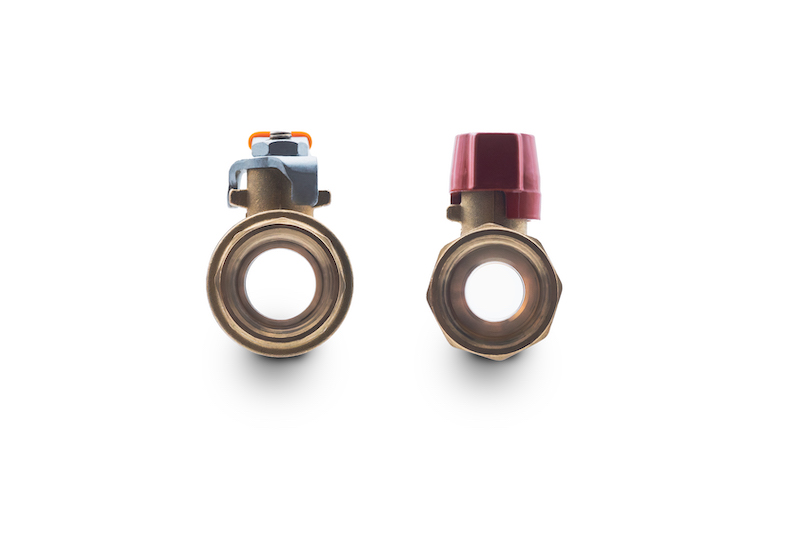
Understanding the difference between full port and nominal port ball valves for optimal system performance
When selecting ball valves for plumbing, industrial, or HVAC applications, understanding the difference between full port and nominal port ball valves is crucial for system efficiency and cost-effectiveness. RuB Inc. manufactures both full port and nominal port ball valves in high-quality brass, each designed for specific applications and performance requirements. This comprehensive guide explores the key distinctions between full port ball valve vs. standard port configurations, helping you make informed decisions based on your project's flow requirements, pressure considerations, and budget constraints. Whether you're designing a firefighting system, installing domestic plumbing, or specifying industrial equipment, choosing the right port configuration ensures optimal performance and long-term reliability.
What is a full port ball valve?
A full port ball valve features an internal diameter that matches the connected pipe size, allowing fluid to flow through without restriction. This design ensures unrestricted flow with minimal pressure loss, making it the preferred choice for applications where maintaining maximum flow capacity is critical. The ball opening in a full port valve is typically the same size as the pipe's inner diameter, eliminating bottlenecks that could reduce system efficiency. RuB Inc. offers premium full port ball valves like the s.92 and s.95 models, engineered with precision-machined brass construction to deliver consistent performance in demanding environments. While full port valves require more material during manufacturing - resulting in higher production costs - their superior flow characteristics justify the investment in applications where pressure drop must be minimized and flow efficiency is paramount for operational success.
What is a nominal port ball valve?
A nominal port ball valve has an internal opening slightly smaller than the pipe diameter, creating a minor flow restriction compared to full port designs. This configuration offers a significant economic advantage when maximum flow rates are not essential to the application's performance requirements. The reduced material requirements make nominal port valves more cost-effective to produce and purchase, providing excellent value for applications where slight pressure reduction is acceptable. RuB nominal port ball valves, including the s.195 and s.71 models, are widely used in residential plumbing systems, HVAC installations, underfloor heating, washing machine connections and ice maker supply lines. These valves deliver reliable shutoff performance and durability while maintaining an affordable price point. For many domestic and light commercial applications, the minimal flow restriction of nominal port valves has negligible impact on system performance, making them the practical and economical choice.
Full port vs nominal port: key differences and selection factors
The full port vs nominal port ball valve decision depends on several critical factors that directly impact system performance and project economics. Flow requirements stand as the primary consideration - applications demanding high flow rates with minimal pressure drop, such as firefighting systems, industrial processes, gas distribution, pneumatic systems and hydraulic installations, require full port valves. RuB s.90 full port ball valves excel in firefighting custom-tailored vehicles, firefighting reels, water filtration systems, and industrial equipment where unrestricted flow is non-negotiable. Conversely, nominal port valves are ideal for domestic plumbing and HVAC systems where flow rates remain within acceptable parameters despite minor restrictions. Budget considerations also play a significant role - if your application doesn't mandate specific minimum flow rates, nominal port valves provide substantial cost savings without compromising reliability. System pressure requirements, fluid viscosity and potential for debris accumulation should also inform your decision, as full port valves facilitate easier cleaning and pigging operations in maintenance-intensive applications.
Choosing the right ball valve for your application
Selecting between full port and nominal port configurations requires careful evaluation of your specific application requirements and operational priorities. Start by analyzing your flow rate requirements - if your system specifications mandate minimum flow capacities or if you're working with high-viscosity fluids, full port valves are essential. Consider the total cost of ownership, including not just initial valve costs but also energy expenses related to pressure loss over the system's lifetime. For industrial applications, gas lines, drinking water networks and critical infrastructure where efficiency directly impacts operational costs, investing in RuB full port ball valves delivers long-term value through reduced pumping costs and improved system performance. For residential installations, underfloor heating and general HVAC applications where flow restrictions have minimal impact, nominal port valves offer the perfect balance of performance and affordability. RuB Inc. provides comprehensive technical support to help you select the optimal valve configuration for your specific needs, ensuring your system operates efficiently while staying within budget constraints.
Need help selecting the right ball valve for your project? The experts at RuB Inc. are ready to provide personalized recommendations based on your application requirements, flow specifications, and budget. Contact us today to discuss your project and explore our complete range of high-quality full port and nominal port ball valves engineered for reliable, maintenance-free performance.